
Champion Industrial
  • Services
        • HVAC
          • Equipment
          • Ductwork & Insulation
          • Building Automation
          • HVAC Replacement
          • Cold Storage
        • Plumbing & Pipefitting
          • Plumbing & Fixtures
          • Process & Power Piping
          • Utility Piping
          • Jetting and Snaking
        • Metal Fabrication
          • Custom Metal Fabrication
          • Conveyors
          • Platforms
          • Tank Fabrication
          • Millwrighting
        • Maintenance
          • Preventative Maintenance
          • Emergency Repair
  • About Us
    • Leadership Team
    • Partners
    • Areas We Serve
    • Careers
    • Blog
  • Contact
  • 209.524.6601
  • Menu Menu

How Spring HVAC Maintenance Helps Businesses Reduce Summer Cooling Costs

As temperatures rise, so do energy bills. But when systems are pushed to their limits during peak heat, even minor inefficiencies can translate into significant energy waste and unexpected repair costs. That is why spring HVAC maintenance is more than a seasonal checklist item. It is a strategic opportunity to prepare equipment before summer demand spikes.

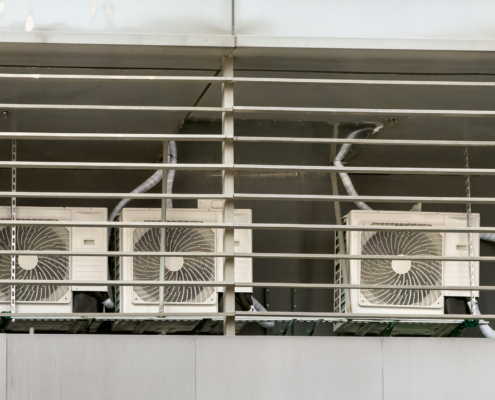
For facility managers, plant managers, and operations leaders, proactive service in the spring can mean fewer breakdowns, lower utility bills, and stronger long-term equipment performance.

Why Spring Is the Most Strategic Time for HVAC Service

The timing of service matters just as much as the service itself. Spring HVAC maintenance positions your system for peak performance before summer temperatures place maximum strain on cooling equipment.

Lower System Demand Enables Thorough Diagnostics

During spring, HVAC systems are typically operating at moderate capacity. This lower demand allows technicians to conduct comprehensive inspections without the pressure of active cooling emergencies. Issues can be identified and corrected methodically, rather than rushed during a heatwave when downtime is not an option.

Preventative Adjustments Before Peak Strain

Cooling systems work hardest during sustained high temperatures. Addressing wear and minor inefficiencies before that strain occurs reduces the risk of failure. A properly executed HVAC system tune-up in spring ensures components are calibrated, lubricated, and optimized for the heavy workload ahead.

Scheduling Flexibility Before Emergency Season

Summer often brings a surge in emergency service calls. Waiting until peak season increases the risk of delayed repairs and extended downtime. By investing in spring HVAC maintenance, businesses secure predictable scheduling and avoid competing for urgent service during critical operating periods.

How Spring HVAC Maintenance Improves Efficiency Before Summer

Efficiency losses often begin gradually and compound over time. Spring HVAC maintenance focuses on correcting those small inefficiencies before they escalate into costly performance issues.

Key performance areas addressed during service include:

  • Coil Cleaning and Heat Transfer Efficiency: Dirty condenser and evaporator coils reduce heat transfer, forcing compressors to work harder. Cleaning coils restores proper thermal exchange and can immediately improve cooling performance.
  • Refrigerant Levels and Compressor Protection: Improper refrigerant charge reduces efficiency and increases mechanical stress. Correcting refrigerant levels protects the compressor, one of the most expensive components in a commercial system.
  • Airflow Optimization: Blocked filters, restricted ducts, and fan issues disrupt airflow. When airflow is compromised, systems run longer to achieve the same cooling output, increasing energy consumption.
  • Controls Calibration: Thermostats and building controls that are improperly calibrated can cause short cycling or excessive runtime. Calibration during commercial HVAC preventative maintenance ensures systems operate according to design specifications.
  • Belts, Motors, and Moving Components: Worn belts and misaligned motors increase friction and energy draw. Replacing or adjusting these components reduces mechanical strain and improves reliability.

 Learn how Champion Industrial Contractors’ comprehensive commercial HVAC maintenance services can help to optimize system efficiency before peak summer demand. 

Commercial HVAC Maintenance

The Connection Between Neglected Maintenance and Rising Energy Bills

Energy inefficiency rarely appears overnight. Instead, it builds gradually as components accumulate dirt, wear, and misalignment. When systems are not serviced regularly, minor issues compound into measurable energy waste. Over time, that waste directly impacts utility expenses.

For example, a slightly dirty coil may reduce efficiency by a small percentage. Combined with low refrigerant levels and restricted airflow, the system must run longer to maintain target temperatures. This extended runtime increases electrical consumption and mechanical wear.

By the time summer demand peaks, the system is operating at a significant disadvantage. Proactive spring HVAC maintenance corrects these inefficiencies early, helping businesses reduce cooling costs before high-demand months amplify the impact.

What Problems Are Typically Found During a Spring HVAC System Tune-Up?

A comprehensive HVAC system tune-up often reveals issues that would otherwise go unnoticed until failure occurs, such as:

  • Dirty Evaporator and Condenser Coils: Dust, debris, and environmental contaminants accumulate over time. Dirty coils reduce heat exchange efficiency, forcing compressors to work harder and increasing energy usage.
  • Worn Belts and Mechanical Components: Belts stretch and degrade, bearings wear down, and motors can fall out of alignment. Left unaddressed, these issues can lead to mechanical failure and costly downtime.
  • Refrigerant Leaks or Low Charge: Low refrigerant levels decrease cooling capacity and strain compressors. Early detection during commercial HVAC maintenance prevents more severe system damage.
  • Blocked Filters and Airflow Restrictions: Clogged filters restrict airflow and reduce indoor comfort. Poor airflow also contributes to uneven temperatures and higher operating costs.
  • Control and Thermostat Calibration Issues: Building automation systems must communicate accurately with HVAC equipment. Calibration errors can cause systems to overcool, short cycle, or run unnecessarily, increasing energy expenses.

Planned Maintenance vs. Emergency Repairs: The Cost Difference

The financial gap between preventative service and reactive repair is often significant. Spring HVAC maintenance creates predictability in both performance and budgeting.

  • Predictable Budgeting vs. Unplanned Capital Expense: Preventative service is scheduled and budgeted. Emergency repairs, especially during summer, can involve expedited labor rates and costly component replacements.
  • Scheduled Downtime vs. Operational Disruption: Maintenance can be performed during planned off-hours. Breakdowns during peak production or business hours disrupt operations and revenue.
  • Minor Repairs vs. Major Component Failure: Replacing a worn belt or tightening electrical connections is far less expensive than replacing a failed compressor.
  • Energy Efficiency vs. Energy Waste: Neglected systems consume more power. A structured commercial HVAC preventative maintenance plan ensures systems operate efficiently throughout peak cooling season.

How Spring HVAC Maintenance Protects Equipment Lifespan

Commercial and industrial HVAC systems represent substantial capital investments. Compressors, air handlers, chillers, and rooftop units are designed for longevity, but only when properly maintained. Spring HVAC maintenance reduces stress on these components before they face sustained summer workloads.

Mechanical strain accelerates wear. When systems run longer due to inefficiency, moving parts degrade faster. Heat buildup, electrical stress, and vibration can shorten equipment life. By correcting issues early, businesses extend equipment lifespan and delay costly replacements.

A well-structured HVAC maintenance program supports long-term asset planning and protects capital expenditures.

Why Commercial and Industrial Facilities See the Biggest Savings

While all buildings benefit from preventative service, commercial and industrial environments often see the most dramatic results from spring HVAC maintenance.

  • Manufacturing and Industrial Plants: Cooling systems frequently support both comfort and process stability. Breakdowns can disrupt production schedules and create safety risks.
  • Office and Multi-Tenant Buildings: Tenant satisfaction depends on reliable climate control. Inconsistent cooling can affect productivity and lease retention.
  • Warehouses and Distribution Centers: Temperature control protects inventory and employee comfort. Efficient systems reduce operating costs across large square footage.

In each case, proactive commercial HVAC maintenance improves reliability and strengthens business continuity.

What a Commercial HVAC Maintenance Program Should Include

A comprehensive HVAC maintenance program should go beyond basic filter changes. Core elements typically include:

  • Seasonal Inspections: Thorough inspections before peak heating and cooling seasons identify potential risks early.
  • Performance Testing: Measuring airflow, refrigerant levels, electrical draw, and system output ensures equipment operates within specifications.
  • Preventative Repairs: Addressing minor wear before failure prevents costly downtime.
  • Energy Efficiency Checks: Technicians evaluate system performance to identify opportunities to reduce cooling costs.
  • Documentation and Reporting: Detailed records support capital planning and long-term asset management.

When structured correctly, commercial HVAC preventative maintenance transforms HVAC service from a reactive necessity into a proactive financial strategy.

Prepare Now to Reduce Summer Cooling Costs

Waiting until summer to address HVAC performance puts your business at financial and operational risk. Spring HVAC maintenance allows you to correct inefficiencies, prevent breakdowns, and protect capital equipment before peak demand hits.

Contact Champion Industrial Contractors to schedule your spring HVAC maintenance and ensure your commercial or industrial facility is prepared for the demands of summer cooling.

Share This Post

  • Share on Facebook
  • Share on X
  • Share on WhatsApp
  • Share on Pinterest
  • Share on LinkedIn
  • Share on Tumblr
  • Share on Vk
  • Share on Reddit
  • Share by Mail

More Like This

Urban Breeze Modern Air Conditioning Units

Why Spring Is Ideal for HVAC Maintenance

HVAC Maintenance (Commercial)
https://www.championindustrial.com/wp-content/uploads/2025/02/Urban-Breeze-Modern-Air-Conditioning-Units.jpg 1250 2000 Abstrakt Marketing /wp-content/uploads/2023/05/champion-logo.png Abstrakt Marketing2025-02-13 11:36:232026-05-13 11:42:52Why Spring Is Ideal for HVAC Maintenance
Air conditioning heating units for a is checking conditioning system outdoor residential house

Common HVAC Problems During Spring and How Proactive Maintenance Helps Avoid Them

HVAC Maintenance (Commercial)
https://www.championindustrial.com/wp-content/uploads/2025/01/Air-conditioning-heating-units-for-a-is-checking-conditioning-system-outdoor-residential-house.jpg 1250 2000 Abstrakt Marketing /wp-content/uploads/2023/05/champion-logo.png Abstrakt Marketing2025-01-30 05:43:462026-05-13 11:42:52Common HVAC Problems During Spring and How Proactive Maintenance Helps Avoid Them

Categories

  • Case Study
  • HVAC
  • HVAC Maintenance (Commercial)
  • Maintenance
  • Metal Fabrication
  • Plumbing
  • Plumbing Maintenance
  • Preventative Maintenance
  • Process and Power Piping
  • Seasonal HVAC

Contact Us

"*" indicates required fields

This field is for validation purposes and should be left unchanged.

About Us

Champion Industrial has over nine decades of experience in completing assorted projects in various industries, and our track record speaks for itself. Our 67,000-square-foot fabrication facility, conveniently situated in Modesto, CA, is a centralized hub for HVAC systems, sheet metal, process piping, and industrial fabrication operations.

What We Do

HVAC Solutions

Plumbing and Pipefitting

Metal Fabrication

Maintenance

Emergency Repairs

Contact Us

Main Office: 209-524-6601
Service Line: 209-526-4900

[email protected]

1420 Coldwell Ave.
Modesto, CA 95350

Website by Abstrakt Marketing Group ©
  • Link to LinkedIn
  • Privacy Policy
  • Sitemap
Scroll to top Scroll to top Scroll to top

This site uses cookies. By continuing to browse the site, you are agreeing to our use of cookies.

AcceptLearn more

Cookie and Privacy Settings


How we use cookies

We may request cookies to be set on your device. We use cookies to let us know when you visit our websites, how you interact with us, to enrich your user experience, and to customize your relationship with our website.

Click on the different category headings to find out more. You can also change some of your preferences. Note that blocking some types of cookies may impact your experience on our websites and the services we are able to offer.

Essential Website Cookies

These cookies are strictly necessary to provide you with services available through our website and to use some of its features.

Because these cookies are strictly necessary to deliver the website, refusing them will have impact how our site functions. You always can block or delete cookies by changing your browser settings and force blocking all cookies on this website. But this will always prompt you to accept/refuse cookies when revisiting our site.

We fully respect if you want to refuse cookies but to avoid asking you again and again kindly allow us to store a cookie for that. You are free to opt out any time or opt in for other cookies to get a better experience. If you refuse cookies we will remove all set cookies in our domain.

We provide you with a list of stored cookies on your computer in our domain so you can check what we stored. Due to security reasons we are not able to show or modify cookies from other domains. You can check these in your browser security settings.

Other external services

We also use different external services like Google Webfonts, Google Maps, and external Video providers. Since these providers may collect personal data like your IP address we allow you to block them here. Please be aware that this might heavily reduce the functionality and appearance of our site. Changes will take effect once you reload the page.

Google Webfont Settings:

Google Map Settings:

Google reCaptcha Settings:

Vimeo and Youtube video embeds:

Accept settingsHide notification only